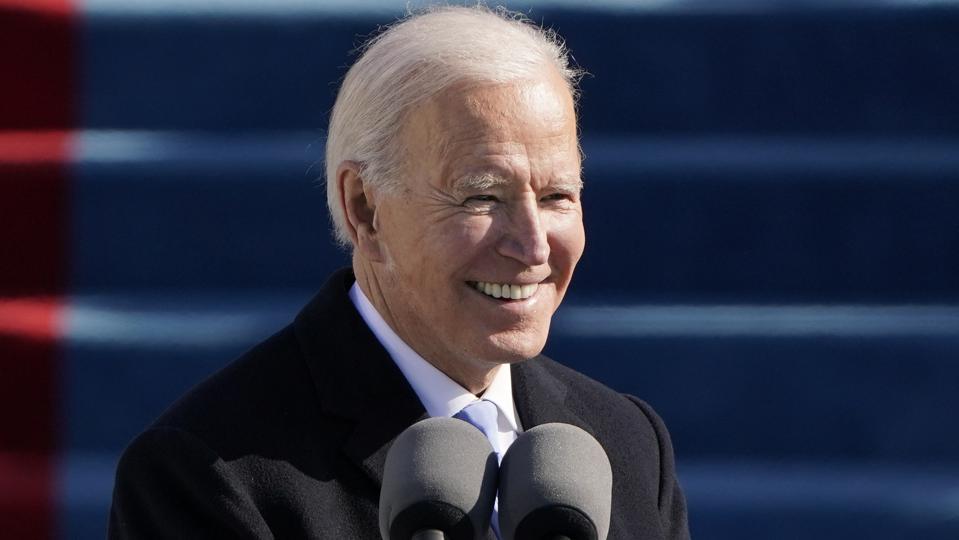
Europe is at a 'fork in the road' between AI competition and climate, fund managers say
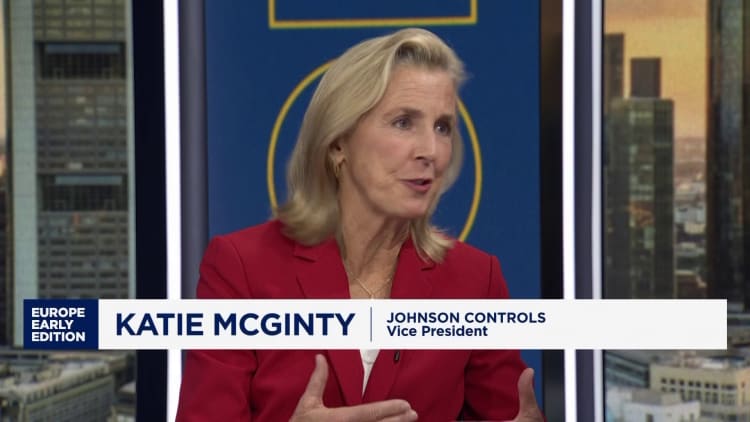
Europe faces a critical dilemma: accelerate its AI infrastructure build-out to compete globally or uphold its world-leading climate commitments. With energy demand soaring from data center expansion, the region’s stringent green regulations are increasingly viewed as a barrier to technological competitiveness, prompting calls for a more “pragmatic” approach that may involve scaling back environmental targets.
“It’s like a fork in the road moment for Europe,” said Dan Ives of Wedbush Securities. “Play in the future or risk missing a big part of this technology wave.” The tension is acute because AI data centers require massive, reliable power—a challenge in a region with high energy costs, grid bottlenecks, and ambitious decarbonization mandates.
Grid Constraints and a Retreat from Green Targets?
Europe’s energy grid, already strained, may not support both a rapid AI rollout and a full transition from fossil fuels. Jags Walia of Van Lanschot Kempen warned that coal plant closures could be postponed to ensure grid stability, undermining climate progress. Recent policy shifts signal a softening stance: the EU has diluted its 2035 combustion-engine ban, delayed emissions trading for buildings and transport, and narrowed sustainability reporting rules.
“When times are good, it’s easy to persuade governments to move in the right direction on climate,” said Paul Jackson of Invesco. “But pushing that agenda down the priority list is one of the easiest things legislators can do when faced with tougher times and competing interests.”
AI as Both Problem and Solution
AI advocates argue the technology can optimize energy systems and accelerate the clean transition. The European Commission, in a statement to CNBC, said it is “fully prepared to seize these opportunities while safeguarding the stability and reliability of Europe’s energy system.” However, the bloc did not address whether sustainability rules will be relaxed to facilitate AI growth.
In practice, AI developers may rely on carbon credits or renewable energy certificates to meet decarbonization targets while using fossil-fuel-backed grid power. The EU’s recent climate deal explicitly allows carbon removal credits, reflecting a reality where addition of energy capacity takes precedence over a pure transition.
Long-Term Risks: Climate vs. Competitiveness
The underlying conflict poses significant long-term risks. Climate change remains a “massive elephant in the room,” according to Société Générale’s Kokou Agbo-Bloua. Yet if Europe maintains strict green rules without solving grid capacity, it risks losing AI investment and talent to more flexible regions like the U.S. or Middle East.
As Europe navigates this high-stakes balancing act, the coming years will test whether it can forge a path that both fosters AI innovation and honors its climate leadership—or whether it will be forced to choose one at the expense of the other.
Recent
News


Newsletter
Subscribe to our mailing list to get the new updates!

Subscribe our newsletter to stay updated
Most
Reviews
Business

Banner

Markets

Finance

- Sun, 18 Jan 2026